
How to Choose the Best Golf Cart Injury Lawyer for Your Case
Golf carts are no longer just for the fairway. Today, people use them in gated communities, retirement towns, beach resorts, and college campuses. But as their use has expanded, so have the accidents.
National emergency room data reveals that thousands of people suffer serious golf cart injuries annually (Watson et al., 2008). These vehicles often lack critical safety features like standard three-point seatbelts, doors, or robust structures to keep passengers contained (Castaldo et al., 2020; DeJesus et al., 2024).
If you or a loved one suffered an injury in a golf cart accident, you might face growing medical bills, lost wages, and pain. Navigating insurance claims for these specific vehicles is complicated.
This guide will show you exactly how to find and choose a qualified golf cart injury attorney who can protect your rights and help secure fair compensation.
Why Golf Cart Accident Claims Are Complicated
Many people assume a golf cart accident is just like a minor car crash. In reality, the legal and insurance frameworks are completely different.
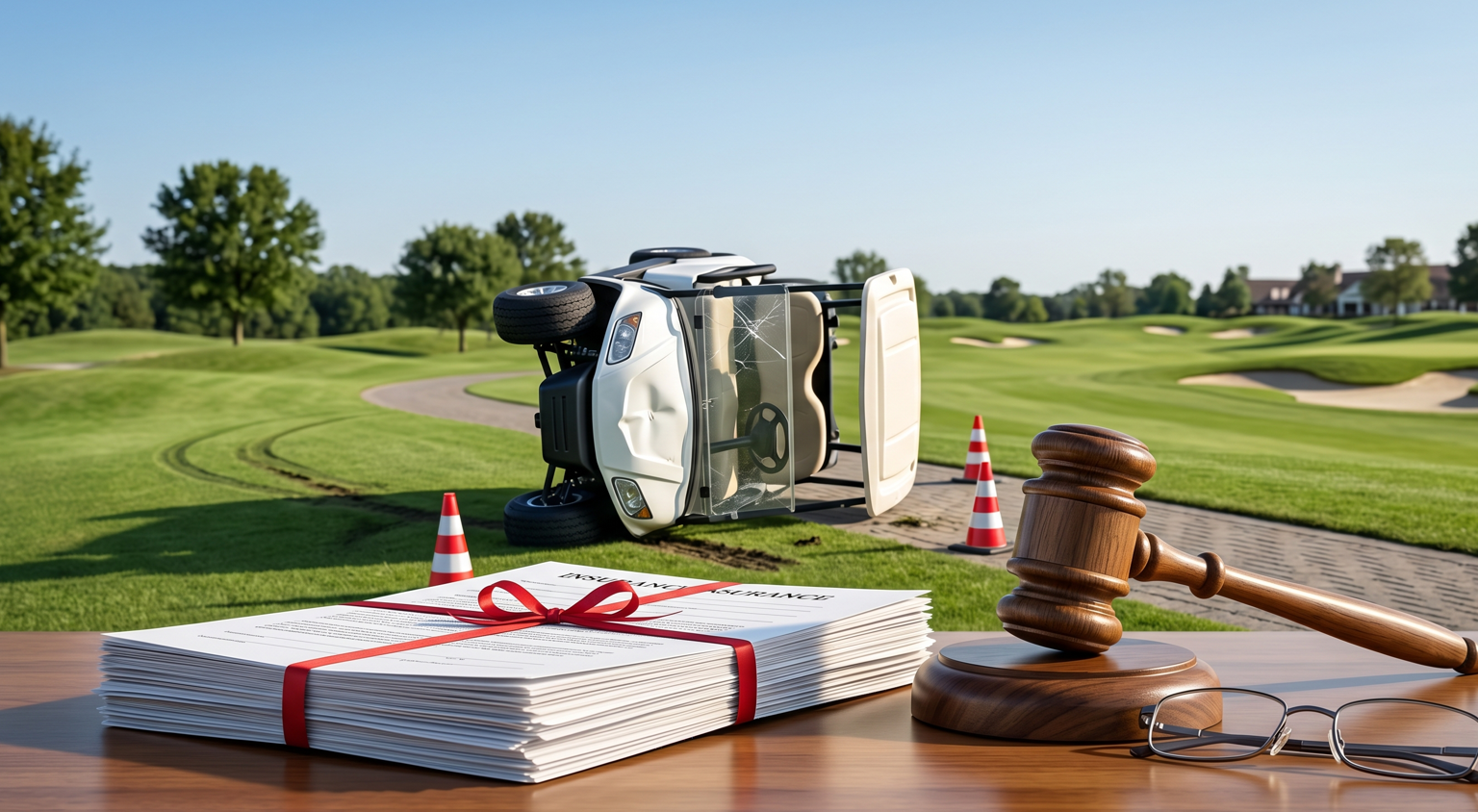
Insurance Gaps and Coverage Visualized
Unlike standard automobiles, which require clear, state-mandated liability insurance policies, golf carts occupy a legal gray zone. Depending on how the vehicle is registered and where the accident happened, multiple types of insurance might overlap, or worse, deny coverage entirely.
Understanding how different insurance policies interact after an accident helps clarify why specific legal help is necessary:
| Type of Insurance | When It Might Apply | Common Limitations or Rejections |
| Homeowners Insurance | If the accident occurs on your personal property or within an approved master-planned community. | Often excludes coverage if the vehicle was operated on a public street or traveling above a certain speed. |
| Specialized Golf Cart Policies | Riders or standalone policies specifically purchased for the vehicle. | May have low liability limits that fail to cover severe traumatic brain or orthopedic injuries. |
| Automobile Insurance | If the vehicle qualifies legally as a Low-Speed Vehicle (LSV) or is involved with a traditional car. | Standard auto policies usually exclude any vehicle with fewer than four wheels or those not intended for highway use. |
| Commercial General Liability | If the crash occurs at a resort, commercial golf course, or rental facility. | Frequently involves complex waivers signed by the guest prior to operating the vehicle. |
The High Risk of Severe Injuries
Because golf carts lack structural enclosures, occupants are highly vulnerable to ejection. Studies indicate that occupant ejection is a major predictor of severe injury, including traumatic brain injuries (TBIs) and skull fractures, especially among children and older adults (Sincavage & Nance, 2024; Tracy et al., 2020).
A standard personal injury lawyer might not look closely enough at mechanical issues, missing safety components, or municipal liability. You need an attorney who understands the mechanical and regulatory landscape unique to these vehicles.
Step-by-Step Guide to Choosing the Right Attorney
Finding a lawyer can feel overwhelming when you are recovering from an injury. Follow this structured process to evaluate and select the best attorney for your case.
Crucial Questions to Ask During Your Legal Consultation
Do not hesitate to treat your first legal meeting like an interview. You are hiring a professional to handle an important matter. Bring copies of your accident report, medical summaries, and photos of the scene.
Ask these specific questions to evaluate their qualifications:
-
“What is your strategy for locating all available insurance policies?” An experienced lawyer will know how to audit homeowners, commercial, umbrella, and auto policies.
-
“Do you have relationships with accident reconstruction experts?” Golf cart crashes often require specialized engineering insights regarding roll stability, braking limitations, and passive restraint systems (Schau, 2021).
-
“Will you prepare this case for trial if the insurance company offers an unfair settlement?” You want an attorney with actual courtroom experience, as insurance adjusters track which firms settle early for smaller amounts.
Red Flag Warning: Be cautious of any lawyer who promises a specific dollar recovery amount during your first conversation. Every injury claim depends heavily on medical development, fault allocation, and available insurance policies. Reliable attorneys offer candid assessments rather than fast guarantees.
Understanding Potential Liable Parties
A skilled attorney does more than sue the other driver. They look at the big picture to find out why the accident truly happened. Depending on the details of your crash, multiple parties may share legal responsibility:
1. The Cart Owner or Operator
If an owner allows an unlicensed child or an impaired individual to drive their golf cart, they can be held liable under a legal theory known as negligent entrustment.
2. The Property Owner or Golf Resort
Property owners must keep their premises reasonably safe. If your accident happened due to a hidden drop-off, a poorly designed path intersection, or a lack of proper warning signs, the resort or course management could be responsible (Bird, n.d.).
3. Maintenance Facilities
Golf cart fleets require consistent maintenance, particularly to their brakes and steering mechanisms. If a repair shop or rental company fails to maintain the vehicle properly, they can be held accountable for mechanical failures that cause crashes.
4. Manufacturers and Designers
Many older or standard golf carts are built without adequate hip restraints or seatbelts, making it remarkably easy for a passenger to fall out during a sharp turn (Schau, 2021). If a design defect or manufacturing error caused your injury, your lawyer can file a product liability lawsuit against the manufacturer.
Actionable Tips for Immediately After a Crash
While searching for the right legal advocate, you can take practical steps to protect your health and your eventual legal claim:
-
Seek immediate medical care: Adrenaline can mask symptoms of serious injuries, including internal bleeding and soft tissue damage (Watson et al., 2008). A prompt medical evaluation ensures your well-being and creates an official record linking your injuries directly to the accident.
-
Preserve the evidence: Avoid washing, repairing, or altering the golf cart involved. Take detailed photos of the vehicle’s tires, brakes, seats, and any visible damage.
-
Document the scene: Take pictures of the path, road markings, property hazards, and weather conditions at the time of the incident.
-
Avoid speaking with insurance adjusters alone: Do not give recorded statements to insurance companies until you select an attorney. Adjusters often use early statements to minimize the value of your claim or argue that you were at fault.
Share This Guide
If you found these legal insights helpful, please share this article with your local community group or neighborhood safety board to keep your family and friends informed.
Have you or someone you know had to deal with an insurance company after a golf cart incident? Let us know your experiences or ask a question in the comments below!
