
Golf cart accident at theme park safety and claims guide
Introduction
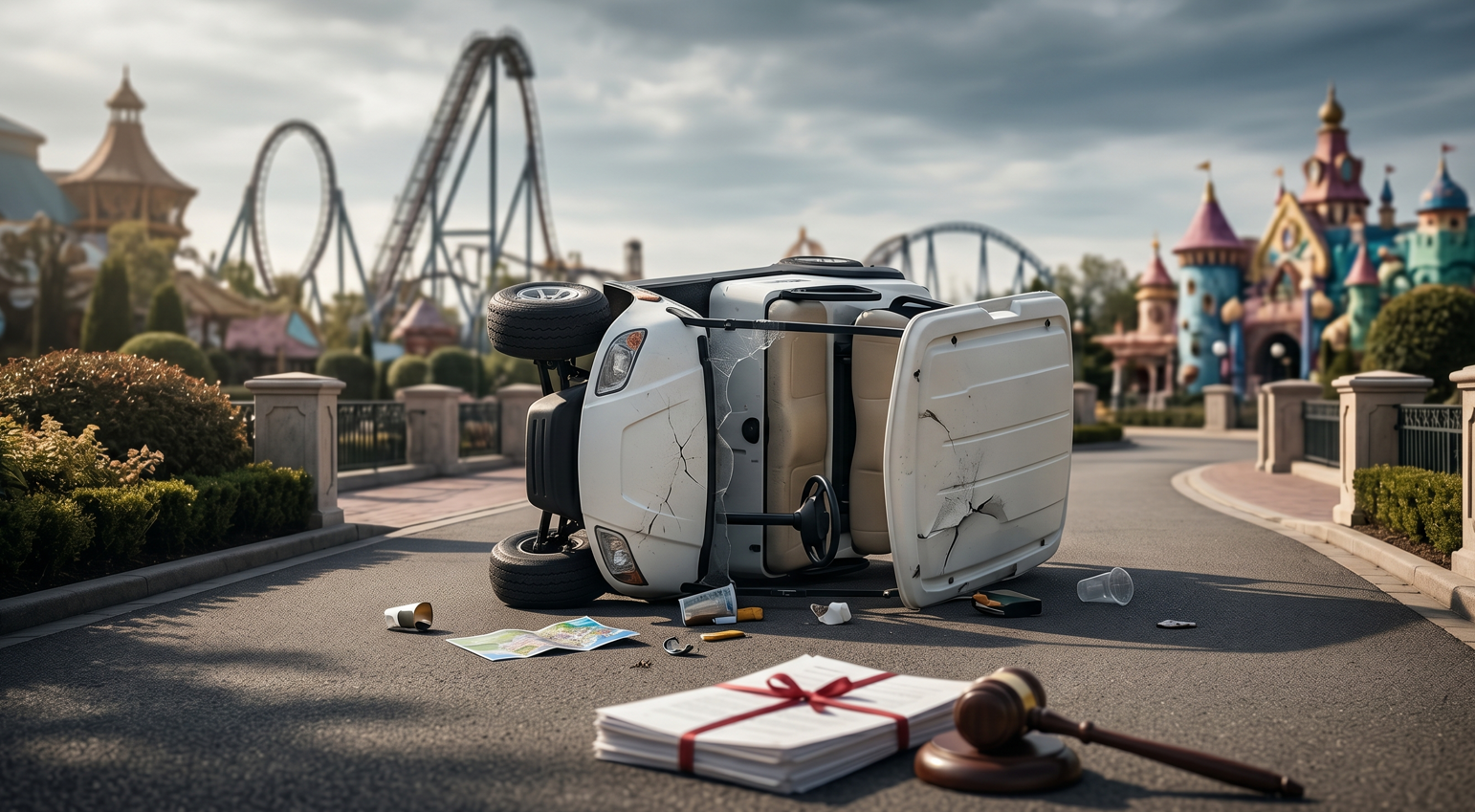
A golf cart accident at a theme park can turn a fun day into a stressful situation very quickly. Theme parks often use golf carts for staff transport, maintenance work, security patrols, and guest assistance. While these vehicles seem slow and harmless, accidents can still cause injuries, property damage, and confusion about responsibility.
Most people do not expect legal or insurance issues when visiting a theme park. But when an accident happens, questions start immediately. Who is responsible? Was it driver error, unsafe conditions, or equipment failure? What should injured visitors do next?
This article explains everything in a clear and practical way. It focuses on safety, common causes, injury types, responsibility factors, and steps people usually take after a golf cart accident at a theme park.
The goal is simple: give helpful, real-world information without confusion or unnecessary complexity.
Why golf carts are used in theme parks
Theme parks are large areas with heavy foot traffic. Staff need a quick and flexible way to move around without disturbing guests.
Golf carts are commonly used for:
- Security patrols
- Maintenance and cleaning
- Guest assistance and transport
- Emergency response within the park
- Staff movement between zones
According to general safety guidance used in transportation and workplace environments, small utility vehicles like golf carts are considered low-speed but still require proper training and supervision.
Even at low speeds, these vehicles can cause injuries if something goes wrong.
How golf cart accidents happen in theme parks
Golf cart accidents in theme parks usually do not happen randomly. They are often linked to specific conditions or mistakes.
Driver error
One of the most common causes is human error, such as:
- Distracted driving
- Speeding in restricted areas
- Sudden turns in crowded zones
- Lack of proper training
Even experienced staff can make mistakes during busy hours.
Overcrowded pathways
Theme parks often have narrow or crowded pathways. When pedestrians and golf carts share the same space, the risk of collision increases.
Poor visibility
Accidents often happen in:
- Nighttime events
- Foggy or rainy conditions
- Areas with poor lighting
Low visibility reduces reaction time for both drivers and pedestrians.
Mechanical issues
Golf carts are simple machines, but they still require maintenance. Problems may include:
- Brake failure
- Steering issues
- Tire damage
- Electrical faults in battery-powered carts
Poor maintenance increases accident risk significantly.
Unsafe passenger behavior
Sometimes guests or staff behave in unsafe ways, such as:
- Standing while the cart is moving
- Overloading the cart beyond safe capacity
- Hanging arms or legs outside the vehicle
These actions increase the chance of injury during sudden stops or turns.
Common injuries in golf cart accidents at theme parks
Even though golf carts are slow vehicles, injuries can still be serious depending on the situation.
Head injuries
Head injuries can happen if a person falls or is thrown from the cart. Even mild concussions require medical attention.
Broken bones
Arms, wrists, and legs are commonly affected during impact or falls.
Soft tissue injuries
These include sprains, strains, and muscle damage. They may not appear serious at first but can cause long-term pain.
Back and neck injuries
Sudden jolts or collisions can lead to spinal stress or whiplash-type injuries.
Cuts and bruises
Sharp edges or sudden impact can cause visible injuries, especially in crowded accidents.
Who may be responsible for the accident
Responsibility in a theme park golf cart accident depends on the situation. It is usually not simple and may involve more than one party.
Theme park operator
If the park failed to maintain safe conditions, such as:
- Unsafe pathways
- Poor lighting
- Lack of safety rules
Then the operator may share responsibility.
Golf cart driver
If the driver acted carelessly or ignored safety rules, they may be responsible for the accident.
Maintenance provider
If a third-party company handles maintenance and the accident was caused by mechanical failure, responsibility may shift there.
Equipment manufacturer
If a defect in the golf cart design or parts caused the accident, the manufacturer may be involved.
What to do after a golf cart accident at theme park
After an accident, people often feel confused or overwhelmed. Taking the right steps can help protect health and future claims.
Step 1 Get medical attention
Even if injuries seem minor, a medical check is important. Some injuries take time to appear.
Step 2 Report the incident
Notify theme park staff immediately so an official report is created.
Step 3 Collect information
If possible, gather:
- Photos of the scene
- Names of witnesses
- Details of the cart involved
- Time and location of the accident
Step 4 Keep medical records
All medical visits, prescriptions, and treatment notes should be stored carefully.
Step 5 Avoid early statements about fault
It is best to describe facts only. Avoid guessing or accepting blame without full understanding.
Why evidence matters in these cases
Evidence plays a major role in understanding what happened and who is responsible.
Common useful evidence includes:
- CCTV footage from the park
- Accident reports
- Witness statements
- Maintenance logs of the golf cart
- Medical documentation
According to general personal injury principles supported by legal resources like the American Bar Association, strong evidence improves the clarity and strength of a claim.
How insurance usually works in theme park accidents
Theme parks usually have insurance coverage for guest injuries and staff incidents. However, the process can vary depending on:
- Type of accident
- Location within the park
- Responsibility findings
- Severity of injuries
Insurance companies typically investigate before offering compensation. This is why documentation and evidence are important from the beginning.
Challenges in theme park golf cart accident cases
These cases can become complex for several reasons:
Multiple responsible parties
It is not always clear whether the park, driver, or maintenance team is responsible.
Shared liability
Sometimes responsibility is divided between different parties.
Visitor safety rules
Theme parks may argue that guests did not follow safety instructions.
Limited witness clarity
Large crowds often make it difficult to find clear eyewitness accounts.
How compensation is usually evaluated
Compensation depends on several factors, including:
- Medical expenses
- Lost income
- Pain and discomfort
- Long-term effects of injury
- Rehabilitation needs
Each case is evaluated individually based on documentation and evidence.
Importance of acting quickly
Timing matters after a golf cart accident. Early action helps:
- Preserve video footage
- Collect witness statements
- Record accurate injury details
- Prevent loss of evidence
Legal and insurance deadlines may also apply depending on location.
Safety tips to reduce risk in theme parks
While accidents cannot always be prevented, awareness helps reduce risk.
- Stay alert near service vehicles
- Avoid crowded vehicle pathways
- Follow park safety instructions
- Do not board moving carts
- Report unsafe behavior immediately
Simple precautions can make a big difference in busy environments.
EEAT perspective on accident information
EEAT stands for Experience, Expertise, Authority, and Trust. These principles are important when discussing safety and injury topics.
Reliable information should:
- Be based on verified safety principles
- Avoid exaggeration or assumptions
- Focus on practical understanding
- Encourage informed decision-making
This ensures readers receive useful and trustworthy guidance.
Frequently asked questions
Are golf cart accidents common in theme parks
They are not extremely common, but they do happen due to crowded environments and vehicle use.
Can visitors get injured by staff golf carts
Yes, accidents involving staff-operated carts can still affect visitors.
Is medical attention necessary after minor accidents
Yes, because some injuries appear later.
Who investigates theme park accidents
Usually park management and insurance providers conduct internal investigations.
Conclusion
A golf cart accident at a theme park may seem like a small incident at first, but it can lead to real injuries and complex questions about responsibility. Understanding how these accidents happen, what steps to take, and how evidence works can help people stay informed and prepared.
Theme parks are designed for enjoyment, but safety still depends on awareness, proper maintenance, and responsible operation of vehicles.
Call to action
Share this article to help others understand safety in theme parks, and leave a comment if you want more clear and simple guides on accident-related topics.
