
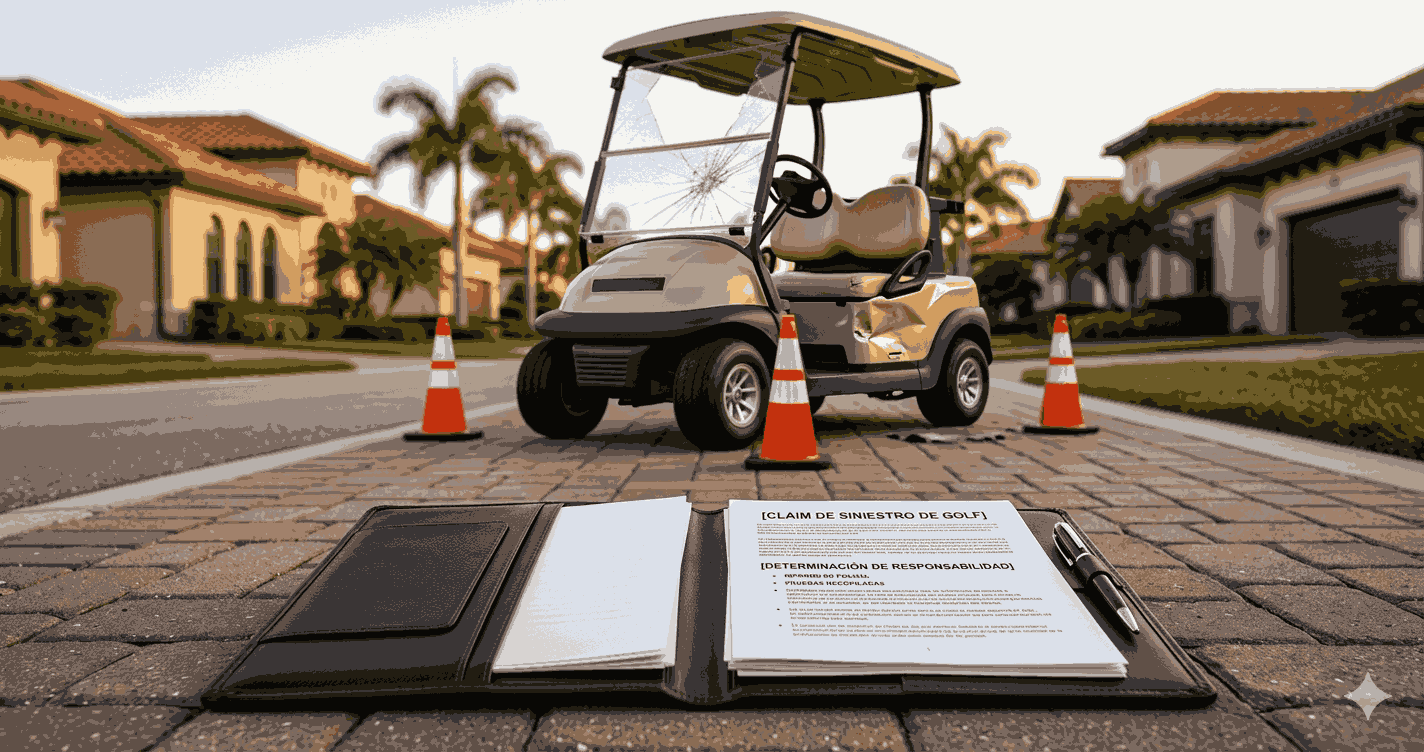
Checking into a beautiful resort or hotel usually brings a sense of instant relief. You hand over your luggage, step into the warm breeze, and hop onto a golf cart to ride to your room or villa. Whether you are driving a personal rental cart or a hotel employee is shuttling you across a sprawling beachside property, these open-air vehicles are staple conveniences of modern hospitality.
However, because these rides feel inherently relaxed and leisurely, many people forget that golf carts are motorized vehicles. They often weigh up to 1,000 pounds and routinely reach speeds between 15 and 20 miles per hour. When a sharp turn, a mechanical breakdown, or a distracted employee causes a crash, the vacation vibe disappears instantly.
If you or a loved one suffers severe injuries on a hospitality property, navigating the aftermath can feel overwhelming. Filing a hotel golf cart accident lawsuit requires a strong grasp of personal injury law, corporate liability, and insurance dynamics. Let’s break down exactly how these claims work and what you need to do to protect your rights.
The Legal Groundwork of Hospitality Liability
When you pay to stay at a hotel or resort, the law classifies you as a business invitee. This status grants you the highest level of legal protection under a framework known as premises liability.
Hotels owe their paying guests a strict duty of care. This duty requires them to maintain their grounds safely, repair hidden hazards, and ensure that any machinery they provide including their entire golf cart fleet is in mechanically sound condition.
To hold a hotel or resort financially responsible for your medical bills and trauma, your legal team must establish negligence. This means proving that a dangerous condition or reckless behavior existed, that management knew or should have known about it, and that this failure directly caused your injuries.
1. Accidents Involving Hotel Staff Drivers
Many golf cart accidents at large resorts do not involve guests driving at all. Instead, they happen when hotel employees—such as bellhops, valet workers, maintenance crews, or room service staff operate carts carelessly.
Because these workers are frequently under tight deadlines to move luggage or deliver orders, they may speed through pedestrian walkways or navigate blind corners recklessly. Legally, hotels are responsible for the actions of their employees under a doctrine called vicarious liability (or respondeat superior).
The hotel can be held liable if an employee:
-
Strikes a pedestrian walking along a designated resort pathway.
-
Drives distractedly while checking an internal resort dispatch radio or mobile device.
-
Takes a sharp turn too quickly, throwing a passenger completely out of the vehicle onto the pavement.
-
Operates a cart without a valid driver’s license or proper internal safety training.
2. Negligent Fleet Maintenance and Mechanical Failure
When a hotel hands you the keys to a golf cart or uses one to transport your family, they guarantee that the vehicle is mechanically safe. Unlike personally owned golf carts, resort fleets experience grueling, daily wear-and-tear from hundreds of different guests and workers.
If a hotel fails to implement a rigorous, documented inspection routine, mechanical failures are inevitable. A hotel faces a strong negligent maintenance lawsuit if a crash is caused by:
-
Total Brake Failure: Failing to change worn-out brake pads, causing a driver to lose control on a steep incline or hill.
-
Faulty Steering Mechanisms: Ignoring previous guest complaints about loose, unresponsive steering wheels.
-
Bald or Damaged Tires: Allowing carts out onto wet pool decks or slick grassy hills with tires that have completely lost their traction.
-
Disabled Speed Governors: Tampering with or neglecting speed limiters, allowing a standard fleet cart to travel at dangerously high speeds.
[Neglected Fleet Service] ──> [Brake Pad Failure on Hill] ──> [Cart Rollover Accident] ──> [Hotel Fleet Negligence Claim]
3. Infrastructure Hazards and Defective Path Design
Sometimes, a driver does everything right, but the physical environment makes an accident unavoidable. Hotels must design and maintain their pathways to handle golf cart traffic safely.
A resort or hotel can be held legally responsible for property infrastructure hazards if an injury is caused by:
-
Severe Surface Defects: Deep, unmarked potholes, crumbling concrete borders, or tree roots cracking open asphalt walkways.
-
Poor Traffic Engineering: Forcing fast-moving golf carts and families with small children to share narrow, unlit pathways without physical separation or speed barriers.
-
Inadequate Warning Signs: Failing to install reflective warning signs or guardrails before steep drop-offs, water hazards, or blind curves hidden by overgrown tropical landscaping.
Overcoming the Hotel Liability Waiver Trap
If you try to hold a resort accountable for an injury, their corporate insurance adjusters will immediately point to a piece of paper: the liability waiver. You likely signed this waiver digitally when checking in or filling out a cart rental agreement.
Hotels routinely argue that by signing, you completely surrendered your right to file a lawsuit. However, waivers are not absolute shields against liability.
Courts frequently invalidate or bypass these liability waivers under specific conditions:
-
Gross Negligence: A standard waiver only waives liability for ordinary negligence (like a minor, unpredictable accident). It cannot legally protect a business from gross negligence or reckless disregard for safety. If management knowingly rented out a cart with reported, broken brakes, a judge will likely throw the waiver out.
-
Ambiguous or Hidden Language: If the waiver was buried in microscopic text without a clear signature, or if the wording is deliberately confusing, a court may rule it legally unenforceable.
Understanding Potential Financial Payouts
The value of a golf cart accident claim varies dramatically based on the severity of the injuries, the clarity of the evidence, and the insurance limits involved. Here is how settlements generally break down:
Minor Claims ($15,000 – $40,000)
These typically involve soft-tissue sprains, minor lacerations, or simple fractures caused by sudden stops or minor bumps. Payouts cover initial emergency room visits and basic physical therapy.
Moderate to Severe Claims ($50,000 – $150,000)
These cases often involve joint dislocations, severe concussions, or broken bones requiring surgery. They frequently occur when a passenger is ejected onto concrete due to a driver’s sharp turn. Payouts account for significant lost wages and extended rehabilitation.
Catastrophic Claims ($250,000 – $1 Million+)
When a heavy multi-passenger hotel shuttle strikes a pedestrian or rolls over due to gross negligence, life-altering injuries can occur. These include traumatic brain injuries (TBIs) or spinal damage. These lawsuits target high-limit commercial liability and umbrella insurance policies to secure long-term medical care and compensation for permanent disability.
Step-by-Step Guide to Protecting Your Injury Claim
If you are hurt in a hotel golf cart accident, the steps you take immediately afterward will form the foundation of your future lawsuit. Treat the scene with the same seriousness as a standard highway car crash.
1.Take Immediate Photos and Videos:Document the Physical Scene.
The Role of Comparative Fault in Lawsuits
Be prepared for the hotel’s legal team to try to shift the blame onto you. Under the legal rule of comparative negligence, your final compensation can be reduced if you contributed to your own accident.
For instance, if a hotel employee turns a corner too fast and you fall out, but the hotel proves you were standing up or holding a drink instead of using the handrails, a jury might find you 25% at fault. If your total medical bills and suffering equal $100,000, your final payout will be legally adjusted to $75,000. Operating or riding in a cart responsibly protects both your physical safety and your financial recovery.
Have you ever experienced a close call or suffered an injury while riding a golf cart at a hotel or resort? How did the management team respond to the situation? Share your thoughts and experiences in the comments below, and share this article on social media to keep your fellow travelers safe!
References
-
Journal of Safety Research (2024). Low-speed vehicle occupant ejection mechanics and patterns of injury severity.
-
American Jurisprudence in Premises Liability (2023). Duties of commercial hospitality operators to business invitees.
-
Insurance Information Institute (2025). Commercial general liability limits and umbrella policy structures in the hospitality industry.
