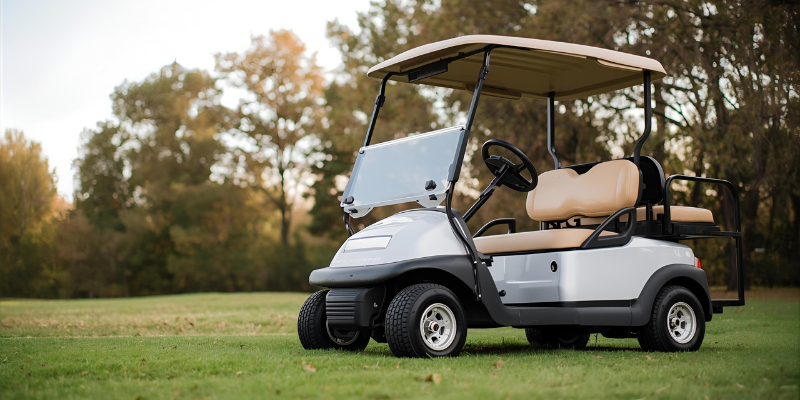






Golf carts have become incredibly popular across Georgia because they offer convenient transportation, low maintenance costs and easy mobility in communities, resorts, campuses and neighborhoods. As more residents rely on golf carts daily, understanding Georgia golf cart laws becomes extremely important. Many people assume that golf carts follow the same rules everywhere, but the reality is that the state, counties and cities can all impose different regulations. This makes it essential for anyone using a golf cart to know what is legal, what is required and how to avoid violations that could result in fines or accidents.
Georgia has very clear rules regarding golf cart operation, especially when it comes to safety equipment, age requirements and where carts can legally be driven. The purpose of this guide is to break down all the regulations in a simple, detailed and easy-to-understand way so that drivers remain compliant and protected. Whether someone uses a golf cart occasionally for recreation or daily as a primary mode of transportation, knowing the rules prevents problems on the road.
Golfcartslawyer.info receives many questions about the rules for golf carts and low-speed vehicles in Georgia. This guide answers those questions comprehensively and explains how different local ordinances interact with the statewide laws. It also covers liability issues, accident considerations and safety practices that every golf cart owner should understand.
Georgia continues to update its regulations as the use of golf carts increases. Some communities now rely on golf carts the same way others use small vehicles. That is why this updated 2025 guide outlines every major regulation and clarifies the differences between golf carts and low-speed vehicles. By the end of this article, readers will know exactly what the law requires, what the legal risks are and how to avoid costly mistakes.
Understanding How Georgia Defines a Golf Cart
The State of Georgia uses the term personal transportation vehicle to describe a golf cart. This distinction is important because it determines how the vehicle is classified and what rules apply. A golf cart in Georgia is defined as a vehicle designed to operate at speeds not exceeding twenty miles per hour. This separates it from a low-speed vehicle, which can travel between twenty and twenty-five miles per hour and must meet additional requirements similar to small automobiles.
Golf carts are not required to have the same level of equipment as low-speed vehicles, but they must still meet specific safety standards. Many people mistakenly believe that if a golf cart is driven only on private property, no rules apply. While privately owned land does offer more flexibility, the moment the golf cart enters a neighborhood street or public path, Georgia’s laws take effect.
Understanding the classification of a golf cart is also important in accident cases. Insurance companies often use these definitions to determine liability and coverage. When a golf cart exceeds its intended speed or is modified to act like a low-speed vehicle without proper equipment, legal complications can arise. That is why staying within the legal definition protects both the driver and passengers.
Who Can Legally Drive a Golf Cart in Georgia
Georgia has strict rules regarding driver age and supervision requirements. These laws exist to ensure that young drivers operate golf carts safely and responsibly. The state allows individuals sixteen and older to legally operate a golf cart without restrictions. Teenagers aged fifteen may operate a golf cart if they possess a learner’s permit. Children fourteen and younger may drive only under the direct supervision of an adult.
Supervision is one of the most common violations associated with golf cart accidents in Georgia. Many communities allow children to use golf carts freely, but parents often misunderstand the legal responsibilities. If a minor causes an accident or property damage while operating a golf cart illegally, the adult responsible for the child can face legal consequences. This can include financial liability for damages as well as citations for violating Georgia’s regulations.
Golfcartslawyer.info often handles cases where age restrictions were ignored, resulting in avoidable accidents. Understanding these age rules helps families protect children and avoid penalties that can arise from improper operation.
Where You Are Allowed to Drive a Golf Cart in Georgia
Georgia permits golf carts on certain public roads, but the rules depend heavily on the posted speed limits. Golf carts may operate legally on public streets that have a speed limit of thirty-five miles per hour or lower. Even though the golf cart cannot travel at that speed, it is still permitted to share the roadway. However, driving on streets with higher speed limits is illegal unless the road has a specifically designated crossing area.
Many residential communities in Georgia designate golf cart lanes or shared pathways. These may be separate from the main roadway and are designed to provide safer mobility options for golf cart drivers. Municipalities also have the authority to regulate where golf carts may be used within their jurisdictions. That is why some cities allow golf carts on additional streets, while others limit them to specific areas.
Golf cart owners need to check both state rules and local city ordinances. Differences exist between places like Peachtree City, Savannah, Augusta, Columbus and coastal resort towns. Some of these areas even have large networks of golf cart-friendly paths. Understanding these local rules avoids unexpected fines or legal trouble.
Required Safety Equipment for Golf Carts in Georgia
Although golf carts are simpler than low-speed vehicles, Georgia still requires them to have certain equipment when operated on public roads. Every golf cart must have functional braking systems, working headlights, proper tail lights and reliable reflectors. These safety features ensure visibility and reduce nighttime accidents. Golf carts must also be equipped with a horn, rearview mirror and warning devices when appropriate.
When a golf cart is used after sunset, lighting compliance becomes mandatory. Georgia’s laws emphasize visibility because a large percentage of golf cart injuries occur in low-light conditions. Many older golf carts lack updated lights, which increases the risk of collisions with cars or other vehicles.
Seat belts are not required for standard golf carts, although many communities strongly recommend them. Some neighborhoods, particularly those with younger drivers, mandate seat belts through local ordinances. Owners should review their local requirements to make sure their golf cart complies.
Registration and Insurance Rules in Georgia
One of the most frequently asked questions about golf cart laws in Georgia concerns insurance and registration. Georgia does not require insurance for standard golf carts used solely as personal transportation vehicles. However, some local jurisdictions do require registration or a permit to operate on city streets. This registration is typically inexpensive and involves a simple inspection process.
Even though the state does not mandate insurance, carrying coverage is still strongly recommended. Golf cart accidents often result in property damage and personal injuries, and without insurance, the driver becomes fully responsible for all financial losses. Many homeowners’ policies provide limited coverage for golf carts, but this coverage is often restricted to use on the owner’s property. Once the cart is driven onto public roads, insurance gaps become a major issue.
Accident cases handled by golfcartslawyer.info frequently reveal that drivers assume their home insurance covers all golf cart use. Unfortunately, most policies do not, especially when the golf cart is involved in an accident off private property. Supplemental golf cart insurance eliminates these gaps and helps protect drivers from unexpected liability.
Differences Between Golf Carts and Low-Speed Vehicles in Georgia
One of the biggest areas of confusion involves distinguishing a golf cart from a low-speed vehicle. A golf cart is limited to twenty miles per hour and does not require registration or insurance at the state level. A low-speed vehicle travels between twenty and twenty-five miles per hour and must meet federal safety standards. This includes seat belts, windshield wipers, turn signals, mirrors, a VIN number, and other equipment similar to small cars.
Low-speed vehicles must also be registered and insured like standard automobiles. Drivers must possess a valid driver’s license to operate an LSV. Many modified golf carts attempt to reach higher speeds, which shifts the legal classification of the vehicle. When this happens, owners must comply with low-speed vehicle rules or risk violations and liability issues.
Understanding this difference protects drivers legally. It also helps avoid problems when modifying a golf cart, especially when upgrading the motor, adjusting the governor or adding aftermarket components that increase speed. If a golf cart becomes too fast, it becomes subject to stricter regulations and must meet federal equipment standards.
Penalties for Violating Golf Cart Laws in Georgia
Georgia treats golf cart violations seriously because they often involve safety hazards. Violations can lead to fines, citations, impoundment or legal liability in the event of an accident. Common offenses include driving a golf cart on unauthorized roads, operating without required lights, allowing underage drivers to operate the vehicle, driving intoxicated and failing to follow local ordinances.
DUI laws apply to golf carts in Georgia. Many residents are unaware that driving a golf cart while impaired carries the same penalties as driving a car under the influence. This includes potential jail time, license suspension and heavy fines. Communities strongly enforce these laws to ensure safety on public pathways.
Parents may also face penalties if children operate golf carts illegally. Since Georgia holds adults responsible for minors, violations involving children can lead to citations or civil liability if an accident occurs.
Golf Cart Accident Liability in Georgia
Accidents involving golf carts have increased significantly across Georgia. These accidents often happen in neighborhoods, resort areas and retirement communities. Because golf carts offer little physical protection, even low-speed collisions can cause serious injuries. Determining liability in these cases requires looking at the operator’s age, compliance with equipment regulations, location of operation and adherence to state laws.
If the golf cart driver violated Georgia’s rules at the time of the accident, they may be held legally responsible. This includes operating on prohibited roads, failing to use lighting at night, driving illegally modified vehicles and allowing unauthorized minors to drive. When another vehicle causes the accident, the at-fault party becomes responsible, but proper insurance is necessary to file a claim.
Golfcartslawyer.info emphasizes that many accident victims do not understand their legal rights. Legal representation helps them recover compensation for injuries, medical costs, lost wages and property damage. Understanding Georgia’s golf cart laws makes the claims process smoother and improves outcomes for injured individuals.
Local Georgia Communities with Special Golf Cart Rules
Many Georgia communities have additional golf cart requirements that exceed state laws. Peachtree City is one of the most golf cart-friendly areas in the country, with over one hundred miles of multi-use paths. This city requires specific registration procedures and enforces strict age rules. Other communities like St. Simons Island, Jekyll Island, Lake Oconee, Savannah coastal areas and private resorts all have variations in their regulations.
Because local ordinances differ, golf cart owners must review city codes before operating in new areas. What is legal in one community may be a violation in another. These local rules usually address registration, age limits, pathway access, parking restrictions and speed limits.
Safety Tips for Operating a Golf Cart in Georgia
Safe golf cart operation begins with understanding Georgia’s laws, but practical safety habits matter just as much. Drivers should always remain alert, avoid distractions and use slow speeds on sharp turns. Nighttime visibility must be a priority, especially in areas without public lighting. Overloading the golf cart should be avoided because it increases rollover risk.
Parents should monitor young drivers and ensure they follow rules consistently. Communities encourage the use of seat belts, especially for children and older adults who may be more vulnerable in a collision. Regular maintenance is also essential. Checking brakes, tires, lights and steering helps prevent accidents linked to mechanical failure.
Following these safety practices reduces the likelihood of injuries and legal problems while enhancing the overall driving experience.
Conclusion
Georgia has clear and detailed laws regarding golf cart safety, operation and classification. Understanding these laws protects drivers from legal penalties, reduces accident risk and ensures the safe use of golf carts in communities across the state. Because regulations vary between state and local jurisdictions, reviewing both levels of rules is essential. Safe operation, compliance with equipment requirements and responsible driving remain the best ways to avoid legal and financial problems. For more information contact Golf Carts Lawyer.
FAQs
Are golf carts street legal in Georgia?
Yes, golf carts are street legal on roads with speed limits of thirty-five miles per hour or lower, depending on local ordinances.
Do you need insurance to drive a golf cart in Georgia?
Georgia does not require insurance for standard golf carts, but some cities require local registration. Insurance is still recommended for protection.
Can a child drive a golf cart in Georgia?
Children under sixteen may drive only with supervision or with a learner’s permit at age fifteen. Local rules may be stricter.
Do DUI laws apply to golf carts?
Yes, Georgia treats golf cart DUI violations the same as automobile DUI offenses.
What is the difference between a golf cart and an LSV?
A golf cart travels under twenty miles per hour, while a low-speed vehicle can reach up to twenty-five miles per hour and must meet federal safety standards.