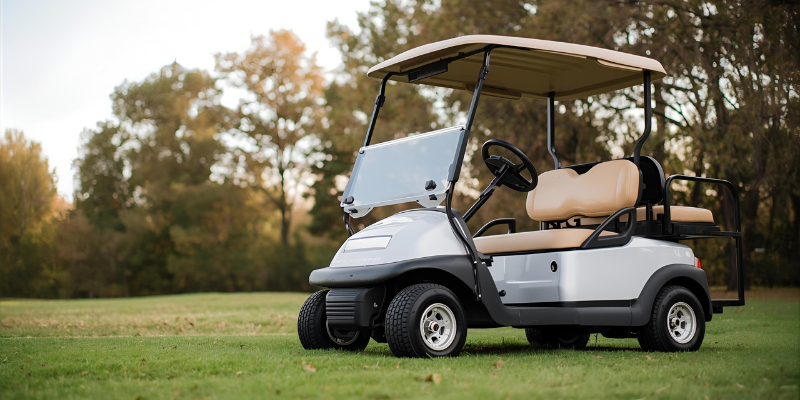





Driving a golf cart feels simple, relaxed, and far less stressful than operating a traditional vehicle. Many Florida residents use golf carts daily to move around gated communities, resort areas, beaches, and short local routes. Because golf carts travel slower and are often used for short distances, many people assume Florida treats them differently from cars, especially when it comes to DUI laws.
This misconception leads to serious legal trouble every year. Many drivers are shocked to learn that authorities in Florida enforce alcohol and drug laws very aggressively, even when the vehicle is a standard golf cart. Understanding Florida golf cart DUI laws is extremely important if you operate a cart in a neighborhood, on public roads, or inside any area where law enforcement has jurisdiction.
This guide explains in full detail whether you can get a DUI on a golf cart in Florida, what penalties you may face, how the law views golf carts, and what to do if you are ever involved in a DUI incident. The laws might surprise you, and the consequences can be much more serious than people expect.
Florida Treats Golf Carts Like Motor Vehicles for DUI Laws
Many Florida residents believe that golf carts fall under a completely different set of rules because they have a lower speed capability and are allowed in communities without full traffic infrastructure. But the truth is more straightforward. Under Florida law, a golf cart is still considered a “vehicle” for DUI enforcement.
Officers apply the same standards they would to a car, truck, or SUV, and they can stop a driver who appears impaired anywhere public access exists. Even if a golf cart is being driven inside a gated community, a parking lot, or any area where people can legally enter, DUI laws apply. The reasoning behind this policy is safety, because golf carts lack the protective structure of cars and can cause severe injuries during accidents involving impaired drivers.
Once an officer believes someone is driving impaired, they use identical testing methods, including field sobriety tests and breath tests. This means that even one poor decision can place a driver under the same scrutiny as a DUI traffic stop involving a traditional vehicle.
The Legal Limit for Golf Cart DUI in Florida
The alcohol limit for golf cart drivers is exactly the same as for all other motor vehicles. Florida law sets the standard at a blood alcohol concentration of 0.08 percent. If a driver is found above this threshold, they can be charged with DUI instantly. But the law also allows officers to arrest a driver who appears impaired even if their BAC is below 0.08.
This is extremely important because many drivers assume they need to exceed the numerical limit to face a charge. However, Florida allows impairment-based DUI, meaning the officer only needs to show that your normal abilities were affected while operating the golf cart. Alcohol, narcotics, and even prescription medication can contribute to impairment.
Many golf cart accidents happen at low speeds, but even slow-moving collisions can cause fractures, head injuries, and property damage. Because of this, Florida prosecutors take these cases seriously and often pursue penalties aggressively.
Where DUI Can Apply When Using a Golf Cart
One major misconception is that DUI laws do not apply inside private communities, on beaches, or in resort areas. In Florida, this assumption is incorrect and often leads to unexpected arrests. DUI laws apply broadly to any area where the public has access, which includes neighborhoods with unfenced roads, condominium complexes, parking lots, campgrounds, beach paths, and even some private properties where public movement is possible.
Many municipalities have specific ordinances allowing golf carts on certain roads. When these areas are open for golf cart use, they fall under the same enforcement standards as other public streets. If law enforcement can legally enter the area, DUI enforcement is valid.
Even if the cart stays on a low-speed road or inside a gated community, a driver can still be stopped, questioned, tested, and arrested if an officer believes they are impaired. The widespread use of golf carts in Florida has increased DUI enforcement in these communities, and authorities frequently patrol during late evenings, weekends, and holiday periods.
Penalties for Getting a DUI on a Golf Cart in Florida
Florida imposes strict penalties for DUI, regardless of the type of vehicle involved. Drivers are often surprised to learn that the consequences of a DUI on a golf cart mirror the penalties applied to traditional automobiles. These penalties can affect daily life, employment opportunities, insurance costs, and long-term legal standing.
A first-time offender can face substantial fines, license suspension, probation, mandatory classes, community service, and possible jail time. The court system does not treat golf cart DUI as a minor offense. Even though the vehicle is smaller and slower, the legal system views impairment while driving as a significant public safety risk.
There are circumstances where penalties increase, such as when a minor is present in the golf cart, when an accident occurs, or when property damage results from the driver’s actions. Repeat offenders face even heavier consequences. A second or third DUI carries increased fines, longer suspensions, mandatory ignition interlock devices, and a greater chance of incarceration.
Any DUI conviction remains on a criminal record for decades, influencing both personal and professional opportunities. Many employers, lenders, and licensing boards treat DUI convictions seriously, and the impact can extend far beyond the initial penalties.
How Florida Defines a “Vehicle” for DUI Laws
Florida law uses a broad definition when classifying what counts as a vehicle for DUI enforcement. A vehicle can include anything that can transport a person or property, even if the machine is not registered as a traditional automobile. Golf carts easily fit under this definition.
Because golf carts operate on roads, shared pathways, and community streets, the law views them as capable of creating public safety risks. Therefore, the state includes them under its DUI laws without modification. This legal framework is the primary reason why so many drivers receive DUI charges while on golf carts. The law does not distinguish based on speed or size, and officers do not need to prove that the vehicle was on a major road.
This framework means that drivers must treat golf carts with the same seriousness and responsibility as other vehicles. Alcohol, drugs, and unsafe operation can place anyone at risk of being arrested and charged.
Can You Lose Your Driver’s License for a Golf Cart DUI?
Yes. Even though golf carts do not require a standard driver’s license to operate in many settings, a DUI conviction can still result in suspension of your regular Florida driver’s license. The state views DUI as a dangerous behavior that affects your overall fitness to operate any type of vehicle.
The administrative suspension process begins immediately following a DUI arrest if a driver fails or refuses a breath test. This can occur even before the court date. Many drivers misunderstand this system and assume they can avoid license consequences because they were using a golf cart rather than a car.
A suspension impacts nearly every aspect of daily life. Work commutes, family duties, and personal errands become more difficult, and reinstatement often requires classes, fees, and compliance with court requirements. Repeated offenses make license reinstatement even more complicated.
What Happens If a Golf Cart DUI Involves an Accident?
Accidents involving golf carts can lead to serious injury because carts are lightweight, open on both sides, and do not have the safety features found in cars. Seat belts are often absent, and passengers can be thrown from the vehicle even at low speeds. When impairment is involved, the risk increases significantly.
If a DUI driver causes an accident, Florida law may add enhanced penalties. These can include higher fines, jail time, restitution, and civil liability. Victims of golf cart accidents often suffer injuries to the head, spine, arms, and legs. Even minor collisions can result in substantial medical bills, and these costs may be tied to the driver responsible.
Drivers should understand that insurance companies may refuse coverage if the driver was acting illegally at the time of the accident. This means the responsible party could face personal financial liability for damages, injuries, and property loss.
DUI Enforcement on Private Property and Gated Communities
Florida law enforcement has flexibility when addressing DUI-related behavior, even on property that is not fully public. If an area is accessible to the public in any way, DUI laws can apply. This includes gated communities, golf resorts, marinas, and large residential developments.
Some communities have their own security teams that report suspicious activity directly to local authorities. If a security officer believes a golf cart driver is impaired, police can be notified and arrive quickly. This situation occurs more often than people realize, especially in neighborhoods with active surveillance and many golf cart users.
Residents sometimes assume that being on private property protects them from DUI enforcement. But Florida’s courts have repeatedly supported the idea that DUI laws can apply anywhere the public is allowed to enter, even if the property is privately owned.
Can You Fight a Golf Cart DUI in Florida?
Yes, DUI charges can be challenged, but the process requires skill, legal knowledge, and a detailed understanding of Florida’s DUI procedures. Some arrests involve questionable breath test results, improper traffic stops, or unreliable field sobriety tests. Many golf cart DUI cases occur in low-light or uneven environments where sobriety tests are difficult to perform accurately.
A strong legal defense may question whether the officer had the right to stop the driver, whether testing equipment was calibrated correctly, or whether the area where the arrest took place qualifies under current DUI statutes. Although every case is unique, many can be defended successfully when evidence is carefully evaluated.
Drivers should avoid making statements after an arrest and should contact legal guidance immediately. A DUI conviction creates long-term consequences, but early intervention can help reduce charges, negotiate penalties, or even get the case dismissed in some situations.
How to Avoid Getting a DUI on a Golf Cart in Florida
The best way to avoid a DUI is through responsible behavior. Golf carts may seem harmless, but impaired operation can lead to dangerous situations. Planning ahead by designating a sober driver or using alternative transportation can prevent legal problems.
It is also important to understand the rules of your specific community or city. Many Florida locations have unique golf cart ordinances that require specific routes, designated paths, and certain hours of operation. Violating these rules while impaired increases the chance of being stopped by law enforcement.
Education is crucial. Many new residents in Florida are unaware of the strict enforcement policies regarding golf cart use. Sharing information with neighbors, guests, and family members can help protect everyone from unexpected legal consequences.
Conclusion
A DUI on a golf cart in Florida is a serious legal issue with penalties that mirror those of traditional motor vehicles. Understanding how Florida enforces DUI, how golf carts are classified under state law, and what risks exist when driving impaired can protect you from long-term consequences and unexpected legal trouble. Golf carts may feel simple and safe, but Florida treats them with the same legal seriousness as any other vehicle. For more information contact Golf Carts Lawyer.
FAQs
Can you get a DUI on a golf cart in Florida?
Yes. A golf cart is considered a vehicle under Florida law, and DUI rules apply the same way they apply to cars.
What is the BAC limit for golf cart DUI in Florida?
The legal limit is 0.08, but drivers can be arrested even below this level if impaired.
Does a golf cart DUI affect your driver’s license?
Yes. A DUI conviction can lead to suspension of your full driver’s license in Florida.
Can you be arrested for DUI in a gated community?
Yes. DUI laws apply anywhere the public can access, including many gated communities.
Are penalties the same for golf cart DUI and car DUI?
Yes. Penalties can include fines, suspension, probation, classes, and possible jail time.
Can passengers drink alcohol on a golf cart in Florida?
Passengers may face open container issues depending on the location and local ordinances.
Can you get a DUI on a golf cart on private property?
If the public has access, DUI rules apply. Completely private, restricted property may be different, but officers can still intervene if safety is a concern.